
Six of the biggest risk areas for legionella
Outbreaks of Legionnaire’s disease can be deadly in any situation; but certain settings and certain water facilities can prove more of a health hazard than others.
We’ve collected six of the biggest risk areas for legionella growth; and what you can do to help mitigate the danger.
What to look out for
As a general rule, the risks of serious Legionnaires’ disease outbreaks are increased with water systems that are:
- complex,
- infrequently used,
- infrequently checked,
- used by large numbers of people (such as public spaces), and/or
- used by vulnerable people (such as hospital and care home patients).
Your legionella risk assessment should consider all of the above factors; and if your particular water systems fall foul of any one of them, special care should be taken to address and mitigate the increased risk.


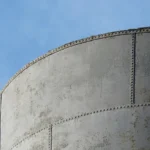
Cooling towers
You’re probably picturing the giant concrete towers that you’ll find at power stations across the country; and they can certainly pose a serious legionella risk.
But the smaller rooftop cooling tower units that often form a part of a building’s HVAC system can also cause significant outbreaks.
The humid environment and changing water temperatures can allow legionella to grow, while the evaporation and ejection of steam from ‘open’ or ‘wet’ tower systems can enable it to spread over a wide area.
Cooling tower water needs careful treatment and monitoring to prevent the growth of legionella and other harmful bacteria.
Evaporative condensers
Just like cooling towers which eject heat energy via evaporation, the evaporative condensers that transfer out heat energy via condensation can also become a prime spot for legionella growth.
Condensers are typically found in chillers and refrigeration facilities as well as HVAC systems; and like their cooling tower counterparts, they need regular water treatment and monitoring to control legionella risk.
Swimming pools and spa facilities
Pools and spas can often present the perfect conditions for legionella growth.
For starters, their ideal temperatures sit between 20°C and 60°C degrees; high enough to ‘awaken’ dormant legionella bacteria but not high enough to kill them.
If the pool isn’t properly cleaned, dead skin and hair from past swimmers can become food to power the growth of the bacteria.
Plus, the complex pipework, filters and boiler system that serve the pool can also become breeding grounds for legionella; leading to contamination of the pool itself.
It’s the inhalation of legionella-contaminated water droplets in the air that leads to Legionnaire’s disease, so you don’t even need to go into the water to be infected. Just being within or close to the pool or spa building can be enough.
Whether you run a commercial pool or spa facility, or you own a pool or hot tub at home, be sure to keep the entire system clean, chlorinated and regularly inspected.

Ships and offshore facilities
Legionella at sea is a problem. Workers on vessels and offshore facilities (such as oil rigs) often have to deal with moisture and humidity, rust, and ambient heat from engines or mechanical processes.
Meanwhile, plumbing systems may be large, cramped, and difficult to inspect while the vessel is en route to its destination; particularly in the case of cruise ships which are constantly in use by passengers.
Cold pipes are often located close to hot water pipes to save space on ships, and that exposure to warmth can push the cold water over the 20°C limit.
Plus, cruise ships often feature pools and hot tub facilities as well; and we’ve already covered how they can become the perfect storm for legionella growth…
Contaminated water can potentially infect almost everyone on board, including the captain and on-board medics.
Accessing urgent medical care on land can be difficult, if not impossible; not only due to the distance to shore, but also because port authorities may refuse access due to visa issues or concerns of spreading infection.
As you can see, a legionella outbreak can be devastating for a sea crew and any passengers; which is why it’s important to have a solid water safety plan in place.
Hot and cold water systems
Domestic water systems aren’t usually a big risk area for legionella. The pipework is usually fairly simple, and any stored water is regularly cycled by the homeowners throughout their day-to-day lives, leaving little time for legionella to grow.
It gets more serious when it comes to commercial buildings. Larger, more complex structures will typically have larger, more complex water systems; which means more places for legionella to hide and build up.
And as some businesses returning from the pandemic shutdown have unfortunately discovered, leaving your building unused or in limited occupation for an extended period can enable stored water to stagnate and become a danger zone for legionella.
If your building uses a complex hot and cold water system, make sure you have a water treatment and inspection regiment in place.
Ice machines
You wouldn’t think ice cubes would be a particular problem for legionella; after all, they’re well below the 20°C limit that renders the bacteria inactive.
However, there’s two significant factors which make ice machines a bigger risk for legionella than you might expect.
Firstly, these machines work by forcing refrigerant gas through a compressor. This compressor produces heat, which can be just enough to warm the water inside the machine and create favourable conditions for bacteria growth.
These conditions can be increased if the ice machine is already located near a source of ambient heat (such as near a radiator, near the back of a freezer unit that generates heat in a similar way, or near cooking equipment in a busy kitchen setting).
Secondly, ice machines are commonly used in restaurant and hospital settings. Both use them for serving cold beverages to visitors and staff, while the latter also uses ice for injury treatment and physical therapy needs; as well as for keeping medical samples cool.
This means a contaminated ice machine might infect a large number of people; and in the case of hospitals and medical facilities, those people may be vulnerable patients who are already battling with compromised immune systems.
It’s also worth noting that – thanks to the natural sublimation of ice into water vapour – beverage drinkers can potentially expose themselves to inhaling harmful legionella-infected droplets whenever they take a sip.
It might sound ridiculous, but that’s exactly what happened to one poor hospital patient in Pittsburgh in 2014 having caught Legionnaire’s disease by choking on ice chips.
Thankfully, legionella cases linked to ice machines are relatively rare; but it’s still important to clean and disinfect machines regularly to prevent bacterial growth.
Need a hand with assessing and managing legionella risk at your commercial premises?
Dynamika can provide complete legionella risk assessments and disinfection services to help you keep staff and visitors safe. Call us on 03333 22 0800 or get in touch online to find out more.