
What is Legionella and Legionnaires’ disease?
Business owners and landlords of properties with water systems have a health and safety obligation to protect their building’s occupants from the dangers of legionella.
But what exactly is legionella – and what makes it so dangerous?


What is legionella?
Legionella is a group of bacteria which is responsible for causing Legionnaires’ disease.
This group includes legionella pneumophila, which is the most common culprit behind Legionnaires’ disease cases; although other types of legionella can also sometimes cause the disease.
Where does legionella come from?
Legionella bacteria naturally occurs in natural water sources like rivers and lakes, but it’s not typically a health hazard in these sorts of environments.
That’s because legionella prefers to multiply at temperatures between 20°C and 45°C; too warm for the average water source in the UK.
The problem comes when the bacteria enter human-built water systems, where the temperature conditions are far more favourable for growth and spread.
In these environments, legionella can potentially grow into a serious health hazard in just a matter of days.
Where is legionella most likely to be found?
Some of the more common hiding places for legionella include:
- Water tanks, heaters and boilers
- HVAC cooling towers and condensers
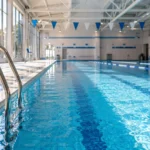
- Swimming pools and hot tubs
- Taps and shower heads
- Garden water features
- Complex plumbing systems
How does legionella spread to humans?
Legionella is usually caught by inhaling the tiny, invisible water droplets in the air which have evaporated from the infected water source.
In other words, just being in the vicinity of a contaminated source can cause infection.
And although you can’t typically catch legionella by drinking or swimming in contaminated water, the chances of inhaling infected droplets by doing so are much greater.
Can legionella be spread from person to person?
Generally, no; legionella is not contagious.
There has been at least one case where person-to-person infection has been suspected; but it appears the chances of contracting the disease via human contact are incredibly small.
Is legionella harmful?
Absolutely. Legionella is responsible for causing two respiratory diseases:
- Pontiac fever: A flu-like condition which usually lasts less than a week. Symptoms include muscle aches, headaches, shortness of breath and coughing.
- Legionnaires’ disease: A serious lung infection which causes pneumonia symptoms; including breathing problems, chest pain and a high temperature. If left untreated, Legionnaires’ disease is often fatal.
These diseases are also known under the collective name of ‘legionellosis’, and are sometimes mistakenly referred to as ‘legionella’ (which is the name of the bacteria which causes the diseases).
If you suspect you might have contracted Legionnaires’ disease, seek medical attention immediately.
Why is it called legionella and Legionnaires’ disease?
Back in 1976, the American Legion for war veterans held their annual convention at the Bellevue-Stratford Hotel in Philadelphia.
In the days that followed, several of the legionnaires that attended suddenly died and more than 100 were hospitalised.
The disease thus came to be known as ‘legionnaires’ disease’, and after an investigation identified the bacteria behind it growing in the hotel’s cooling system, the bacteria was named ‘legionella’.
Previous mystery outbreaks were then retroactively identified as legionella, but it was this unfortunate incident which gave the disease – and the bacteria – its name.
How can legionella be prevented?
There are a number of precautions you can take to prevent the growth and spread of legionella:
- If you’re a business owner, make sure you have a dedicated legionella risk assessment in place.
- Any new water pipe installations should be chlorinated before being hooked up to your water company’s mains supply. Regular chemical treatments can also keep your water systems disinfected.
- Keeping hot water at 50°C or above will kill off legionella bacteria, while keeping cold water under 20°C will at least keep any legionella dormant and unable to multiply.
- Keep your water systems clean, as rust, sludge and other nasty deposits can become food for bacteria.
- Plumbing systems should be kept as short as possible, and dead ends should be removed to prevent water from stagnating.
- Get your water systems regularly tested, as this can uncover legionella growth before it turns into a Legionnaire’s disease outbreak.
Need help managing the risks of legionella at your company’s premises?
Dynamika offers a complete legionella control service; including professional risk assessments, UKAS-accredited water testing and chlorination treatments.
Call us on 03333 22 0800 or get in touch online to book a consultation today.